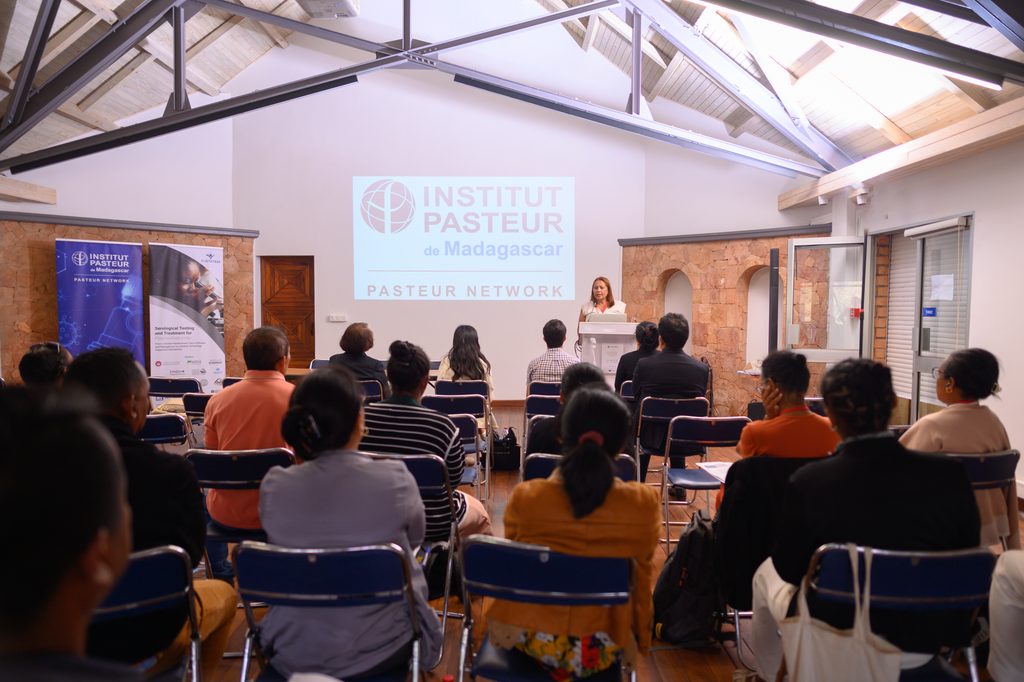
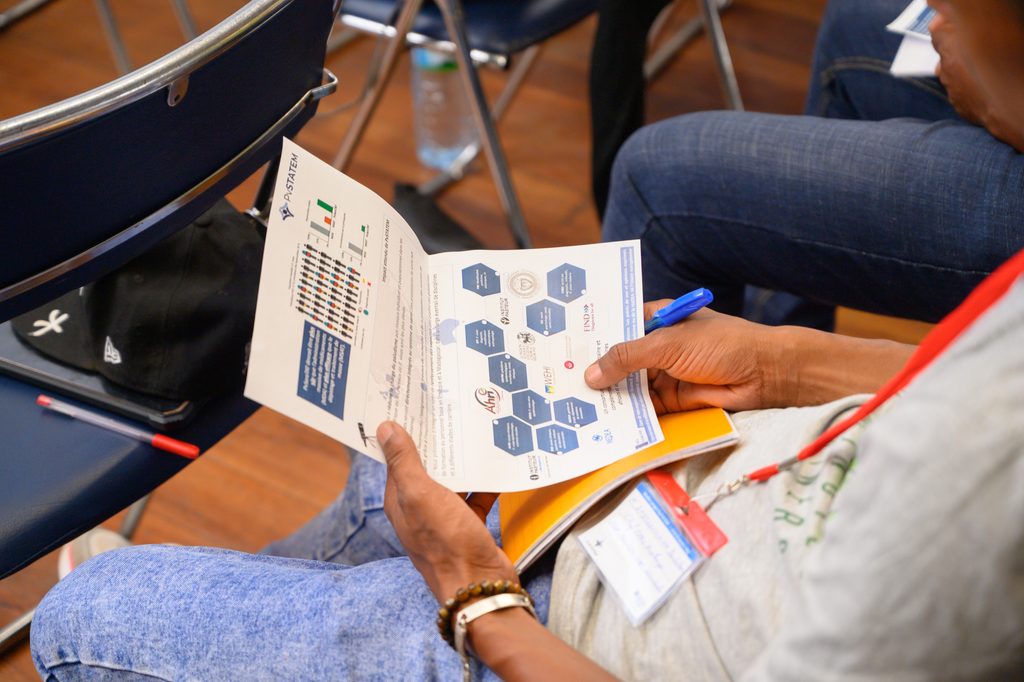
On 22 and 23 October 2026, a meeting dedicated to the PVSTATEM project took place at the Institut Pasteur de Madagascar, bringing together institutions, healthcare professionals, researchers, and local and international partners to discuss the project’s results and its contribution to sustainable development.
The two-day meeting provided an important opportunity for exchange and discussion among the various stakeholders involved in the project. Participants included representatives of Madagascar’s Ministry of Public Health, national and local health authorities, local healthcare facilities, research institutions, civil society organisations, and international partners.
During the meeting, preliminary results from the observational study conducted in Madagascar were presented, and aspects relating to the community acceptability of PvSeroTAT were explored, also through the use of video materials and participatory discussion sessions.
MEDEA’s contribution: three participatory workshops on the SDGs
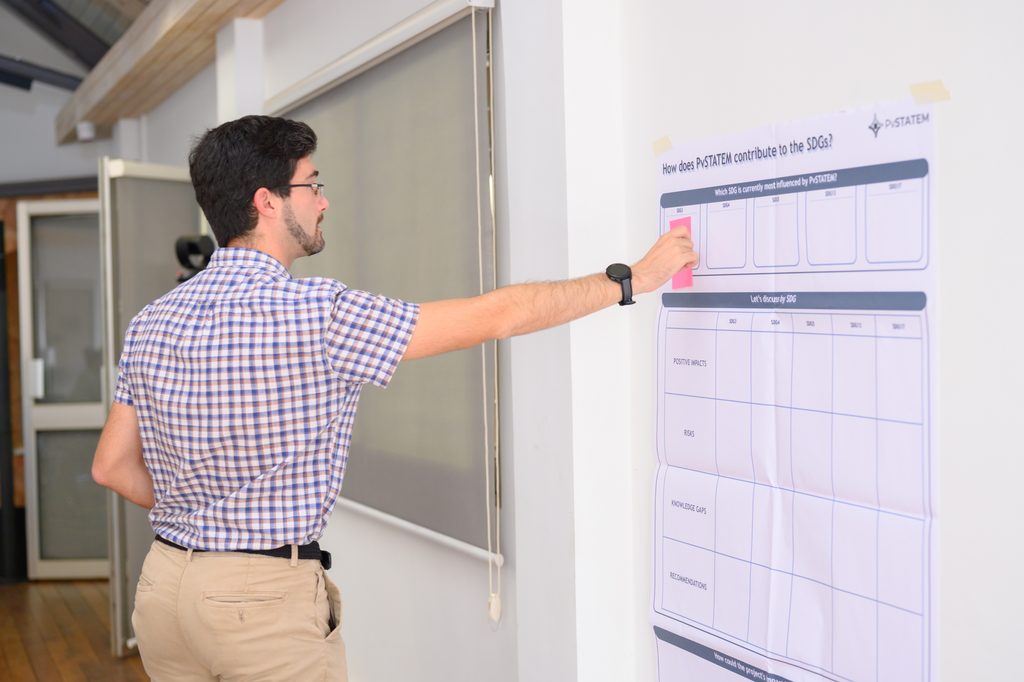
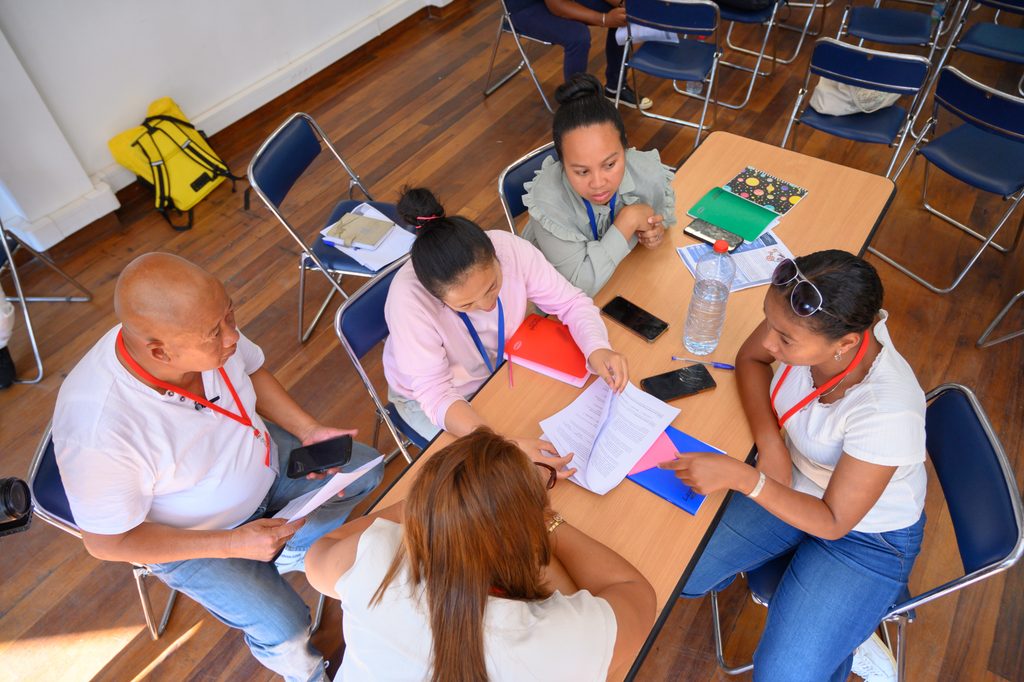
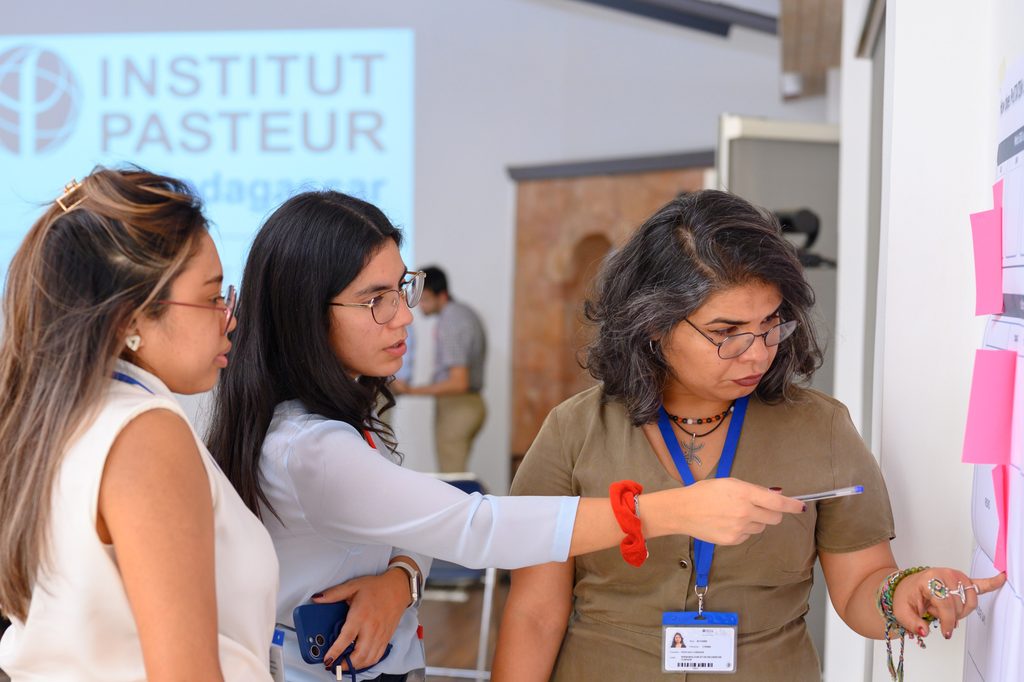
As part of the meeting, MEDEA facilitated three participatory workshops aimed at exploring the contribution of the PVSTATEM project to the Sustainable Development Goals (SDGs) and gathering the perspectives of different stakeholders.
The discussions focused on five goals:
- SDG 3 – Good Health and Well-being
- SDG 4 – Quality Education
- SDG 5 – Gender Equality
- SDG 13 – Climate Action
- SDG 17 – Partnerships for the Goals
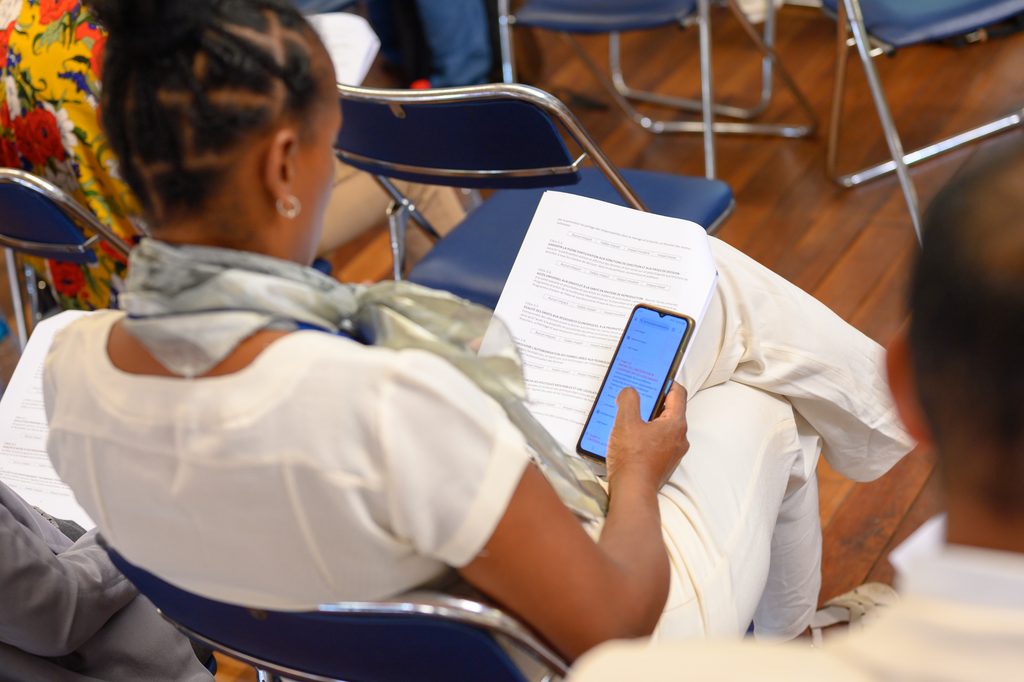
The workshops began with an introduction to the SDGs and the goals selected within the project, followed by questionnaires and opportunities for discussion and brainstorming among participants.
These activities provided an opportunity to explore the project’s potential positive impacts, identify possible risks and knowledge gaps, and gather recommendations to strengthen its contribution to sustainable development.
Research, public health and sustainable development
The contributions gathered highlighted several areas of connection between the project’s activities and the SDGs. These included strengthening the skills of healthcare professionals and community health workers, promoting the dissemination of health-related knowledge and information, engaging local communities, and fostering collaboration among institutions, organisations, and local and international partners.
The importance of making the most of the data and knowledge generated by the project also emerged, so that these can help inform decision-making and support the development of future interventions.
The discussions therefore provided an opportunity to further explore the links between scientific research, public health, and community development, highlighting the value of an integrated approach that takes local specificities into account.
An opportunity for exchange and participation that highlighted local stakeholders’ perspectives and the importance of an integrated and sustainable approach to public health.